

After leaving the cinema theatre you might feel dizzy, even matted. It is only a fair reaction. The confusion that a sci-fi/dark humor/space fantasy/comedy film brings to the table is understandably immense, especially in comparison to all those social realistic films we are used to. Thus, it is normal for one to feel dizzy. What is not normal is going past your dizziness only to go on a full-blown hate rant on Letterboxd, while giving the film a rating of 3 out of 5. You might not have liked it, but don’t use the film as a justification. It’s not the film, it’s you.
We all live in the US, yet, strangely enough, this fact keeps slipping away from the media landscape. Hate speech is always louder than kind stories for children. And while these extreme and loud voices dominate public discourse, basic moral truths have become almost too obvious and redundant. No one feels the need to post once a month saying things like “Hitler was bad”, because it seems like an unnecessary repetition — but maybe someone should, because forgetting leads to normalization.
The US political context is exemplary of this. Seventy-eight million Americans voted for Trump, and now we’re stuck in a loop, hearing how terrible he is every single day. But the more we hear the same critiques over and over, the more we become desensitized to them, and, eventually, this constant repetition makes even the worst things feel ordinary. Thus, people start focusing on how the message is delivered, rather than what is being said, and when a film like Mickey 17 (2025) delivers a very powerful and direct critique, people dismiss it as “too obvious” or “not subtle enough”.
Credits: Mickey 17 by Bong Joon Ho
Mickey 17 (2025) is the latest film by Bong Joon Ho, a director who fearlessly takes on topics that some others prefer to ignore to free their time for a trip to Greece. Bong takes politics, social decadence and natural disasters and creates a story after which you feel like you were told about politics, social decadence and natural disasters. And that throws people off. How could he be so naive, so obvious, with every film? Well, if the critique of capitalism seems too obvious, it is because capitalism is obviously bad.
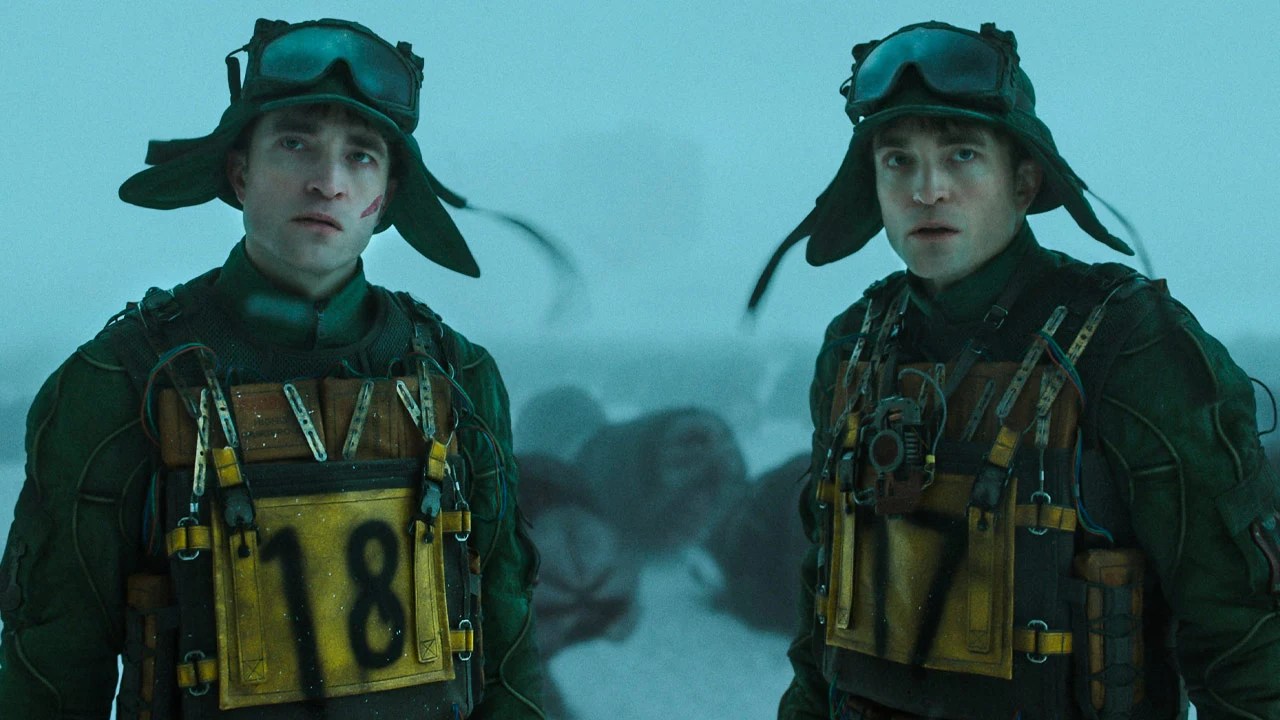
This film takes us on a fantastic ride through time and space to a cold planet far far away from home. While there is a leading actor in this picture, Robert Pattinson, there isn’t really a leading character. Indeed, we meet 17 ever so slightly different “versions” of Mickey Barnes, and we follow them in their various iterations as expendable workers who are always struck with the same fate: death.
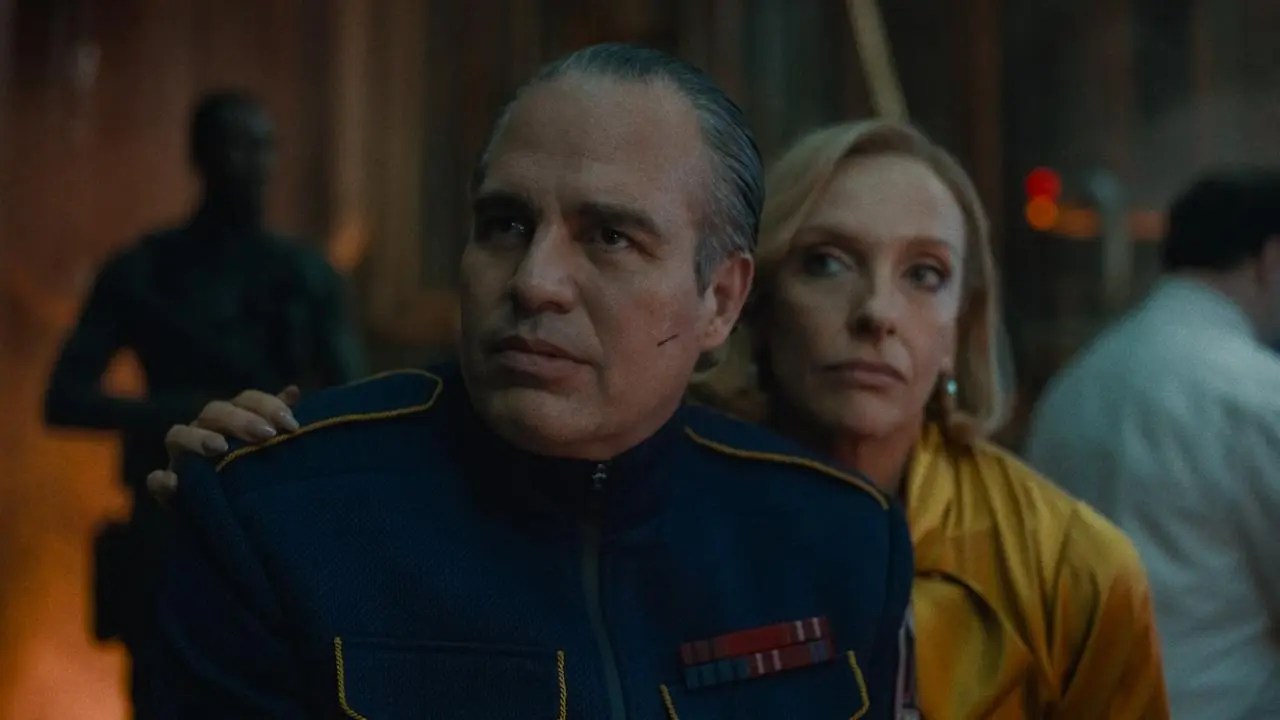
While trapped in the claustrophobic spaces of the ship, the characters are left to explore their inner selves. Nationalism pushes people to define themselves in relation to others; however, this only leads to further isolation. This tendency is one that Bong Joon Ho is acutely aware of. The character of the charismatic dictator, played by Mark Ruffalo, embodies this central contradiction. You might initially perceive him as a humorous representation of your problems, but if you look to the left and right, you’ll see it’s deeper than that. Nationalism might promise unity, but that promise is a lie.
Credits: Mickey 17 by Bong Joon Ho
What is fascinating about comic characters is that we innately trust them. How easy is it to convince ourselves that this cute, sloppy little man is telling us the truth? It is a contract that the comedy genre stipulates between the character and the viewer. Another famous example of recent years is Ted Lasso, an Apple Original TV comedy series about a funny football coach. What this TV series did over the span of a few seasons, Bong Joon Ho condenses in just two hours, but even more cunningly. As with Ted, Mickey’s character at first earns our trust through humor, and then he slowly reveals the multiple layers that form his persona: love, fear, concerns, his past. As spectators, we are interested in these new elements because we care about characters, because we trust them, because they are funny. That’s the trick. Everything these characters say seems obvious, straightforward, because we expect comic characters to just say silly things. But it is not always that simple! Brilliant is thus the decision to split “funny Mickey” from “complicated Mickey”, a visual metaphor present in both the movie and the book from which it was adapted.
Another point of strength of this film lies in the way it portrays contrasts. In comedy, there is an element called “grotesque” – the use of exaggeration to present critiques of reality. It is a very important tool in the arsenal of a good comic writer. As we said before, the impression of obviousness that one might derive from the movie is not simply related to oversimplifications; on the contrary, we are presented with grotesque situations that exaggerate reality to the point of absurdity. It is the case of the dinner scene that takes place in the dictator’s suite, but also, more in general, the food disparity between the crew and Ruffalo’s character, or the contrast between the inside of the ship and the outside world. All of these are writing techniques designed to support the main idea – a criticism that is blatantly shoved onto the spectator’s face.
With such an array of clever writing, great acting, and strikingly claustrophobic sets, this film holds flawlessly together. It’s a two-hour ride that never feels dull, so just let it flow and stop complaining.
Viktor Smolkin
Cover image credits: corriere.it

 The Password
Un commento Aggiungi il tuo