
Animation has always been, and still is, part of our lives. We grow up watching cartoons, playing video games, and carrying animated characters with us into adulthood. At least I do — I still have a Hello Kitty lunch box.
It’s clear that animation helps raise us, teaching basic lessons at first and later even offering financial advice, as in Bob’s Burgers.
But today, animation is not just about entertainment or education. Governments sometimes use animated characters to promote their policies to the youngest citizens. Animated mascots represent cities, Olympic Games, and other major events, turning into massive commercial hits.
The dynamics around these “idols” are a fascinating area of exploration.
Children might be influenced by others’ choices – but you, dear reader, are (hopefully) no
longer a child. Otherwise, we might have really misunderstood our marketing strategy. Being an adult means making choices and leaving behind an infinite number of possibilities. One such choice is to expand our horizons by exploring overseas productions from places like Japan or China.
Millions of children are raised on completely different stories and fairy tales across the world. It becomes our responsibility, as adults, to be aware of these differences — not just for the sake of younger siblings, but for ourselves. Such a drastic difference can be between two grownups brough up on different tales.
- Peppa Pig (United Kingdom)
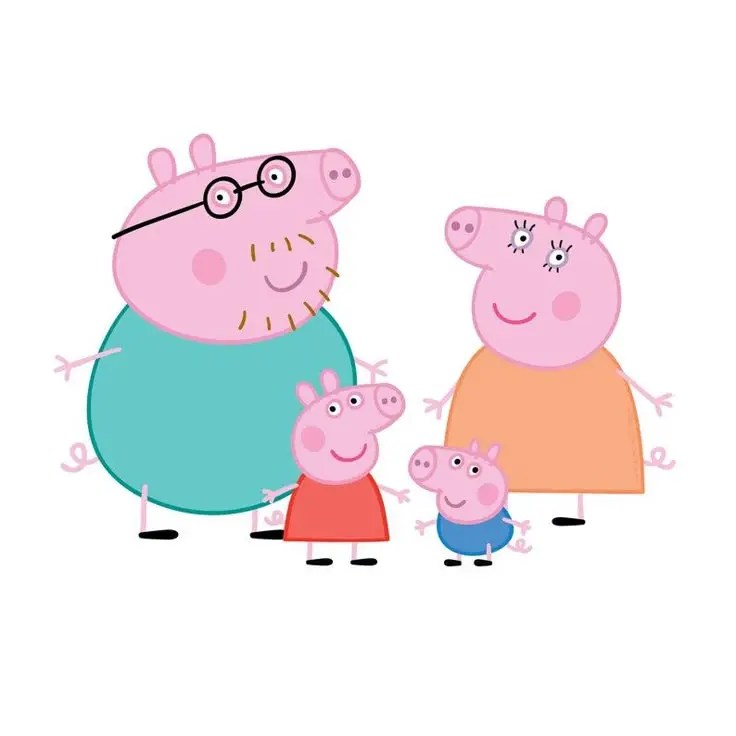
Starting off however with a very much beloved UK original animated series. Huge hit around the globe with thematic parks opening even in China. Five minutes long, it’s an educational series that covers usually one short topic in everyday life. Unlike Cocomelon that diverges towards insanity, it follows some recognizable patterns to keep children entertained: voice over that highlights important moments and basic Aristotelian units of drama with some modern three act structure that could be traced even in the smallest of visual productions nowadays.
Funny enough, Peppa Pig also caused a small “linguistic conquest”: words like “biscuits,” “oh dear,” and “can I have a go?” have crept into everyday speech — even in America, where English made a curious full-circle journey since the night of December 16, 1773.
- Masha and the Bear (Russia)
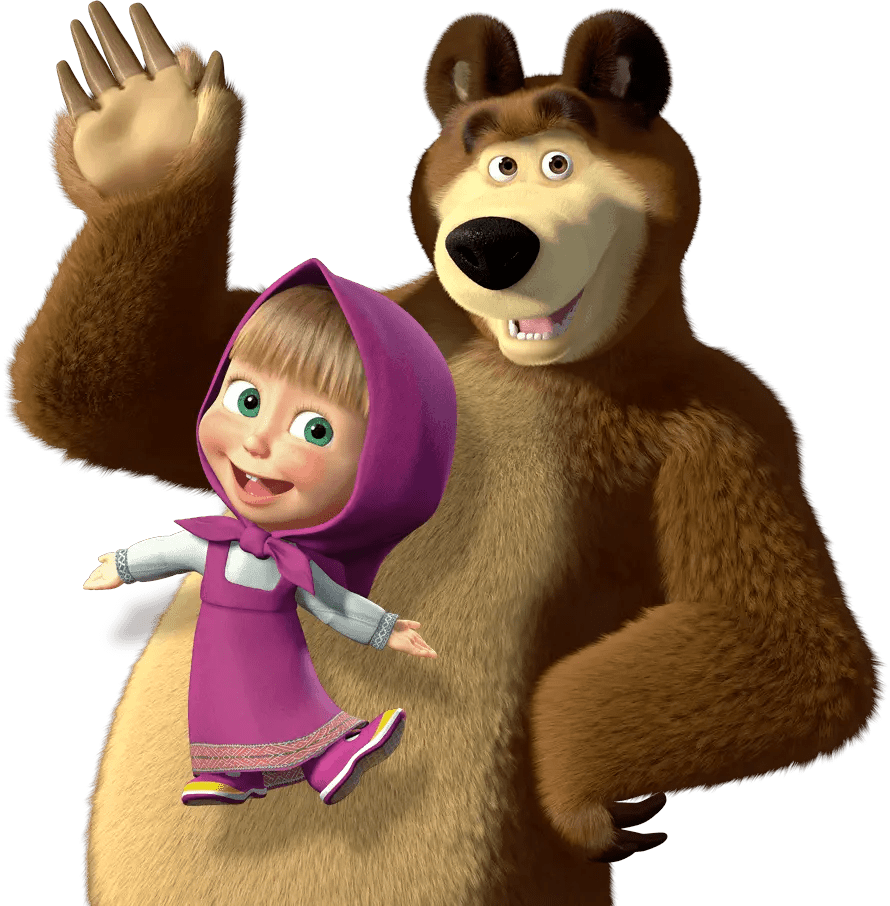
Taking into account the legacy of Soviet and Russian animation no wonder a huge hit came from the pen of Russian animators. Originally shown on Russian state TV as a pre-sleep series, it now thrives globally on YouTube as most of the others are. It’s five minutes, a usual attention span, but this time with only one speaking character that enhances the overall availability for children as other characters are forced to use a body language to express themselves. Adds on to the internationality of the series as well.
- Shimajirō (Japan)
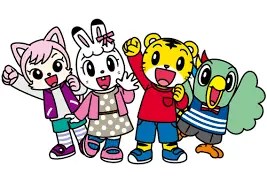
Winner of the 2023 Asian Television Awards, Shimajirō is an educational Japanese series featuring a yellow tiger who has become a true national mascot: planes and metro stations are decorated with Shimajirō’s image. Japanese like to document everything and have everything social researched, so they had found out that 99 percent of parents with children aged 0-6 recognise Shimajirō.
The stories are slightly more sophisticated than Western pre-school shows, infused with unmistakable Japanese themes and behaviors — just like in their cinema.
Exceptional animation techniques elevate Shimajirō to a well-deserved place on this list.
- Bluey (Australia)
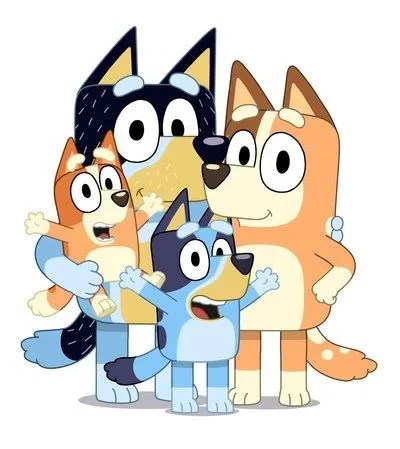
Next stop Australia – with a different dog breeds. Having had full enough off “Mate” and “G’day”, one can notice the further complication of the themes. This time parents themselves play bigger role in the narrative, which is understandable giving a fact that Bluey herself is six years old — two years older than Peppa.
The whole pre-school category, a subdivision in animation for awards for example, is stretched from 0-6 years old. A range that covers a LOT of developmental ground.
Yet still common themes and structures unites them into a category which we tried to represent in this article.
Bluey is probably the most socially realistic series on this list, offering a genuine look into generational relationships.
It’s beautifully crafted, both entertaining for children and surprisingly moving and captivating for adults.
- Deer Squad (China)
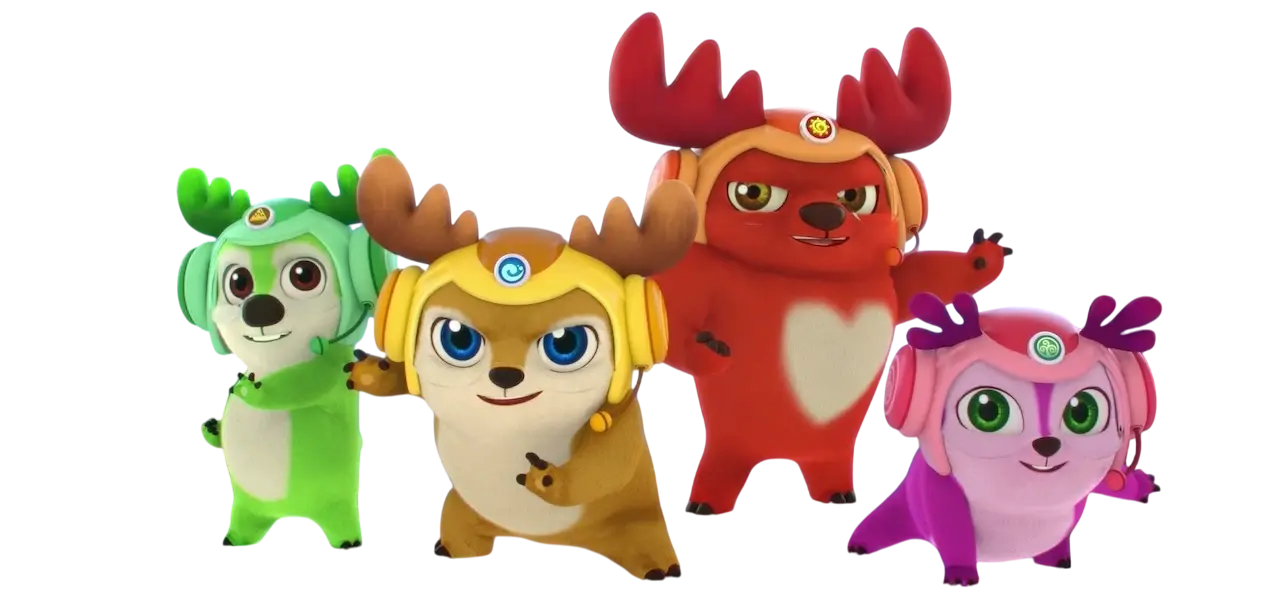
The more you look at the countries where 90s were a time of a big leap more you appreciate the tv shows and animations that capture and resonate the social dynamics better than anything else.
Deer Squad, leader on IQIYI, is a sci-fi (as most of the other) animated series for preschoolers. It touches some friendship topics but mostly follows the adventures. The same goes for Boonie Bears and many other shows: they are vibrant and energetic, but more about action and humor than an exploration of social topics.
Some crafted by just four people and others created by huge companies, these five modern shows share one important characteristic: they all are children orientated, created with a bunch of children in mind. Some might take that as a level down from big, serious shows, but in reality it is a level up in complexity and responsibility.
Viktor Smolkin

 The Password